Bring a panel
If you have a spare bumper, door or hood sitting in a garage, bring it. Working on the shape you are going to face at home beats working on ours.
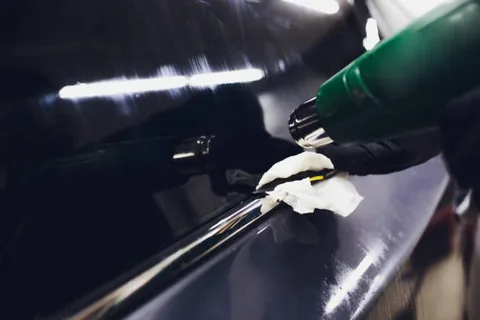
Vehicle wrap classes
Hands-on wrap training in Tempe. Panel planning, relief cuts, recesses and post-heating, taught on vehicles rather than practice boards.
Where the money goes
A roll of quality cast vinyl costs real money, and a beginner learning alone burns through it. Every overstretched panel, every crease that will not lift, every bumper that took three attempts is material in the bin.
The single most useful thing a class gives you is the judgement to stop before you have wrecked a piece. Knowing when the film has gone too far, when to lift and reset rather than push on, and how much tension is too much are all things somebody has to show you in the moment.
The second most useful thing is planning. Deciding where your seams fall, which order the panels go on in, and how much material to cut before you start. Get that right and a job takes a day. Get it wrong and it takes three.
If you have a spare bumper, door or hood sitting in a garage, bring it. Working on the shape you are going to face at home beats working on ours.
Most shops sell wrap and tint side by side, because the same customer wants both. Taking both courses is the common route for anybody planning to open their own place.
Window tint classesSyllabus
Cast against calendered film and why the cheap roll costs more in the end. Laminates, adhesive types, and which finishes are unforgiving to install.
Cleaning and degreasing properly, and which trim, handles and lights come off. Wrapping around a part that should have been removed is what makes a job look homemade.
Reading a body, deciding seam placement, and cutting material to size before you commit. Where a beginner overspends without realising it.
Glass technique, relief cuts, inlays for deep recesses, and handling mirrors, bumpers and door handles that fight you.
Trimming, tucking, and the post-heating step that stops film pulling back out of a recess two weeks later. The step most self-taught installers skip.
Taking old film off without hurting paint, and patching a damaged panel so the repair does not announce itself.
Arizona note
Everything you are taught assumes desert conditions, because that is where you will be working. Film behaves differently at 110 degrees than it does in a mild climate, adhesive grabs faster than the instructional videos suggest, and a panel that has been sitting in the sun is a panel you should not be putting vinyl on yet.
Working outdoors here is a losing proposition for dust alone. Part of the course is simply how to set up a space so the work is possible at all.
Enrol
Send your details through and we will come back with the next wrap block and what the days look like. Tell us whether you are starting a business, adding to a shop, or wrapping your own vehicles, because it changes what we spend the time on.
Questions first is fine too. The shop line is (602) 878-9022.
These details go to arranging your place on the course only. See our privacy policy.